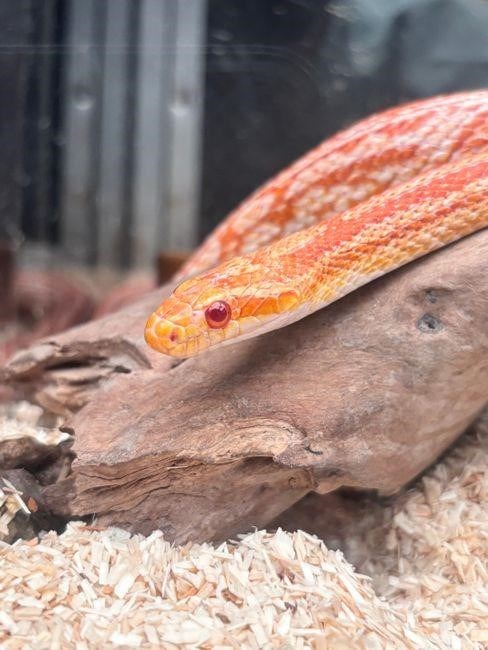
Enclosure Design and Size
Choose a terrarium 18×12×12 in for juveniles, 24×16×12 in for adults․ Use glass or acrylic with a secure lid, and provide a loose substrate of coconut coir or paper towels․ Add branches for climbing and a shallow water dish․ Ensure good ventilation․ Provide a heat source and a hiding box Keep humidity moderate
Optimal Dimensions and Materials
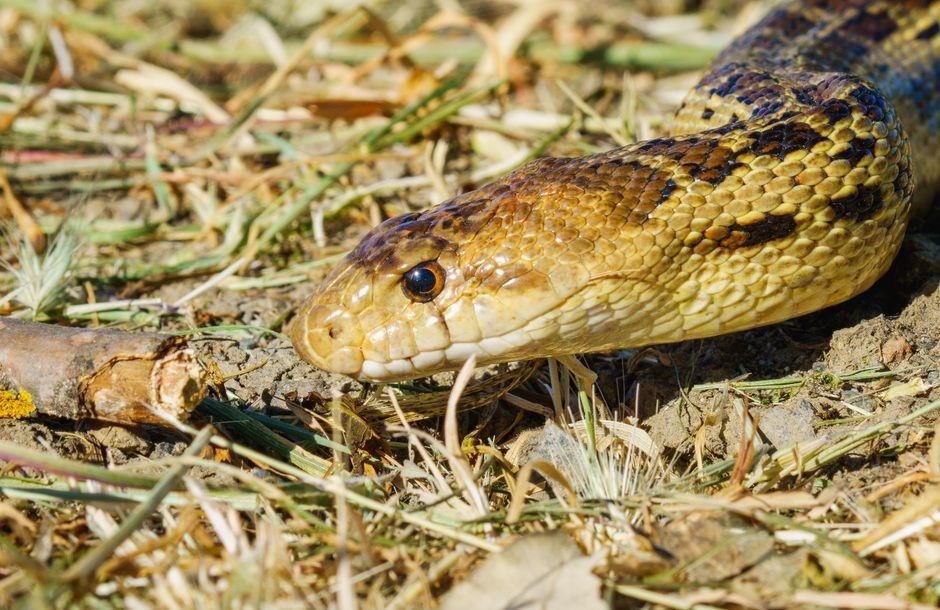
The ideal enclosure for a hognose snake balances space, safety, and environmental mimicry․ A juvenile should start in a 18×12×12‑inch glass or acrylic terrarium, while an adult requires at least 24×16×12 inches to accommodate its 2‑foot length and allow for climbing․ The depth should be no less than 12 inches to give the snake room for burrow and to prevent escape․ The lid should be secure, ventilated, and have a small window for observation․ The substrate should be non‑toxic, moisture‑retentive, and easy to clean; coconut coir, paper towels, or a mix of sand and leaf litter work well․ Avoid loose, fine sand that can cause impaction․ Incorporate a shallow water dish (at least 3 inches deep) and a hiding box made of untreated wood or a commercial hide․ For added enrichment, include a branch or two for climbing, but keep them short to avoid injury․ All materials must be non‑reactive and free of chemicals that could leach into the snake’s environment․ Regular cleaning of the enclosure and substrate replacement every 4–6 weeks will maintain hygiene and reduce pathogen buildup․ By adhering to these dimensions and material choices, you provide a comfortable, secure habitat that promotes natural behavior and overall health․ When selecting a terrarium, consider a glass unit with a secure, ventilated lid and a small observation window․ The enclosure should be large enough to accommodate the snake’s natural movements and provide a climbing substrate․ A shallow water dish and a secure hiding box made of untreated wood or commercial hide will help maintain a comfortable micro‑environment․ Clean weekly!!!․
Temperature Regulation
Maintain a 75–80°F basking zone and a 65–70°F cooler side․ Use a thermostat‑controlled heat lamp or ceramic heater․ Monitor with two thermometers; adjust as needed․ Keep the heat source 12–18 inches above the basking spot to avoid burns․ Night temperatures should drop to 60–65°F, mimicking natural diurnal cycles․ Log temp․
Day/Night Gradient and Heating Equipment
Hognose snakes thrive when their enclosure mimics natural temperature swings․ A daytime basking area should reach 75–80°F (24–27°C), while the cooler side remains 65–70°F (18–21°C)․ At night, temperatures should fall to 60–65°F (15–18°C)․ thermostat‑controlled heat lamp or ceramic heater on the warm side, to avoid burns․ A secondary low‑intensity lamp on the cooler side can help maintain the gradient without overheating․ Install a digital thermometer on each side and log readings hourly for the first week, then daily․ Adjust the thermostat by 2–3°F if the gradient narrows․ For juveniles, a smaller gradient (70–75°F to 60–65°F) is adequate; adults require a broader range․ Ensure the heat source has a safety switch and replace bulbs every 6–12 months․ Proper ventilation prevents condensation, which can lower the cooler side’s temperature․ Use a reflective heat‑retaining panel on the warm side to concentrate heat, and a vented, insulated panel on the cooler side to preserve the gradient․ This setup promotes healthy metabolism, shedding, and overall well‑being․
Periodic checks of the heating element’s surface temperature help identify any malfunction before it affects the snake’s health․
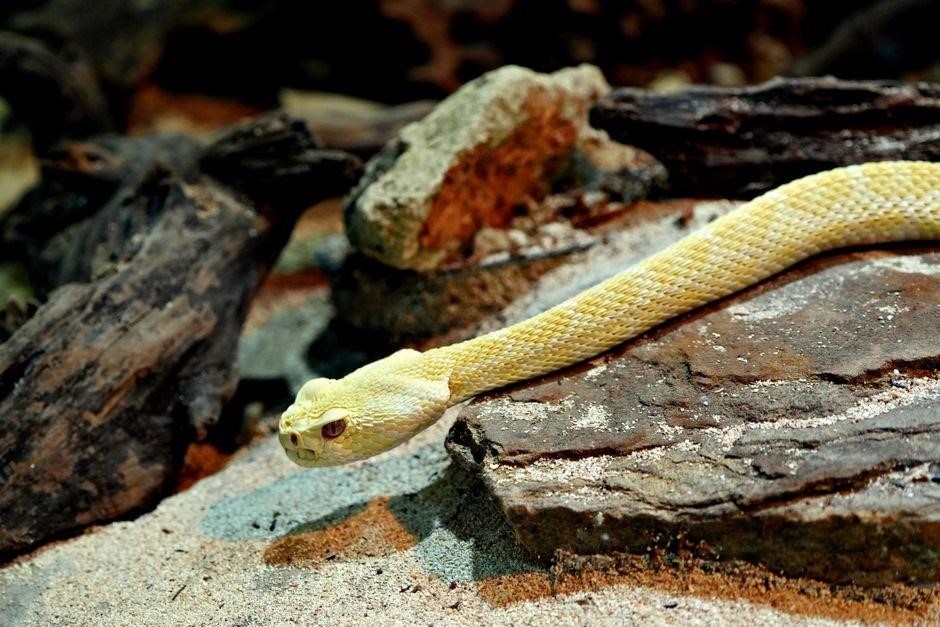
Lighting and UVB Requirements
Hognose snakes need minimal UVB; a 5 W UVB bulb is sufficient, placed 12–18 in above the basking spot for 10–12 h/day․ Use a 12‑hour light cycle, dimming at night․ Replace bulb every 6–12 months to maintain intensity․ The UVB should be replaced every 6–12 months to ensure adequate vitamin D3 synthesis․ sunlight exposure retain the light source 12–18 in from the enclosure floor․
Daylight Simulation and Light Cycles
Hognose snakes require a 12‑hour light cycle that mimics natural daylight․ Use a full‑spectrum LED or fluorescent bulb emitting 5 W UVB, positioned 12–18 in above the basking area․ Keep a temperature gradient of 85–90 °F on the warm side and 70–75 °F on the cool side․ Dim the light gradually over 30 min before darkness to simulate sunset, and brighten over 30 min after sunrise․ Use a timer to automate the cycle and avoid accidental night exposure․ Monitor UVB intensity with a meter; replace the bulb every 6–12 months․ Provide a shaded area with a darker filter so the snake can retreat from direct light․ Adjust the cycle seasonally: shorten daylight to 10 h in winter, extend to 14 h in summer, and adjust temperatures accordingly․ Consistency in light and temperature supports healthy shedding, appetite, and overall well‑being․
For optimal vitamin D synthesis, position the UVB so the snake can bask 1–2 h daily․ Measure intensity at 10 cm; 0․5–1․0 µW/cm² is ideal․ If below 0․3 µW/cm², replace the bulb․ Use a UVB‑rated LED that can be dimmed to reduce heat while maintaining UVB levels․ Record daily light exposure and temperature in a logbook to track trends and make adjustments․ This routine helps prevent metabolic disorders and promotes robust growth․
Maintain a log of light exposure and temperature to identify patterns and adjust as needed․ Consistent lighting supports and reduces stress․ Inspect the UVB bulb for discoloration and replace before performance drops․ Following these guidelines provides a stable, healthy environment that promotes longevity and well‑being for your hognose snake!!!!!
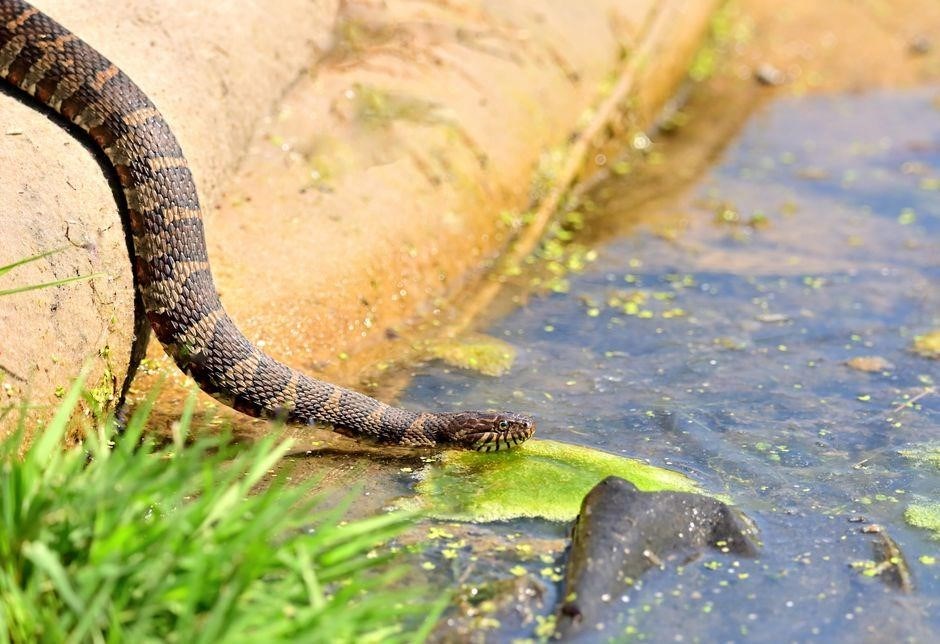
Humidity Management
Maintain 40–50% RH․ Use a hygrometer, mist 10–15 min daily, or add a shallow water dish․ Avoid over‑humidity; it can cause respiratory issues․ Replace substrate regularly, and ensure good airflow to keep moisture balanced․ Record RH daily and adjust misting to keep 45–55% ab․
Ideal Range and Moisture Sources
Hognose snakes thrive at a relative humidity (RH) of 40–50 %․ This range supports skin shedding, reduces respiratory stress, and mimics their natural pine‑forest understory habitat․ Use a digital hygrometer to record daily readings; aim for 45–55 % during the day and 35–45 % at night․ Primary moisture sources include:
- Shallow water dish – 1–2 in deep, placed on a heat‑resistant surface․ Replace water daily to prevent bacterial growth․
- Light misting – 10–15 min each morning and evening using a fine spray․ Avoid spraying directly on the snake; instead mist the substrate and enclosure walls․
- Substrate choice – Coconut coir or paper towels retain moisture without becoming soggy․ Refresh every 2–3 weeks․
- Ventilation – Ensure the enclosure has adequate airflow; use a vent or a small fan on low setting to prevent stagnant, humid air pockets․
Monitor for signs of excess moisture: damp skin, fungal growth, or a musty odor․ If RH consistently exceeds 60 %, reduce misting, increase ventilation, or add a desiccant pad․ Conversely, if RH falls below 35 %, increase misting frequency and add a humidifier․ Consistent humidity management promotes healthy shedding cycles, reduces shedding complications, and supports overall well‑being․
Seasonal adjustments are essential․ In cooler months, target 35–45 % RH; during warmer periods, raise to 45–55 %․ Maintain a humidity log to track trends and tweak misting schedules accordingly․ Use a hygrometer with a probe that can be placed in the snake’s hiding spot for accurate readings․
For advanced setups, a humidity controller paired with a small humidifier can automate misting based on real‑time RH readings, ensuring precise maintenance of the target range without manual intervention․
Regularly inspect the substrate for mold; replace if mold appears․ Avoid using peat moss, which can retain too much moisture and lead to mold growth․ If you observe the snake struggling to shed, it may indicate inadequate humidity; adjust accordingly․
A digital hygrometer with a data logger can record hourly changes, allowing you to spot diurnal peaks and valleys․ If the snake shows signs of dehydration, such as dry skin or lethargy, increase humidity slightly and provide a larger water source․ Remember that humidity should be measured at the snake’s eye level; placing the probe too high or too low can give misleading readings․
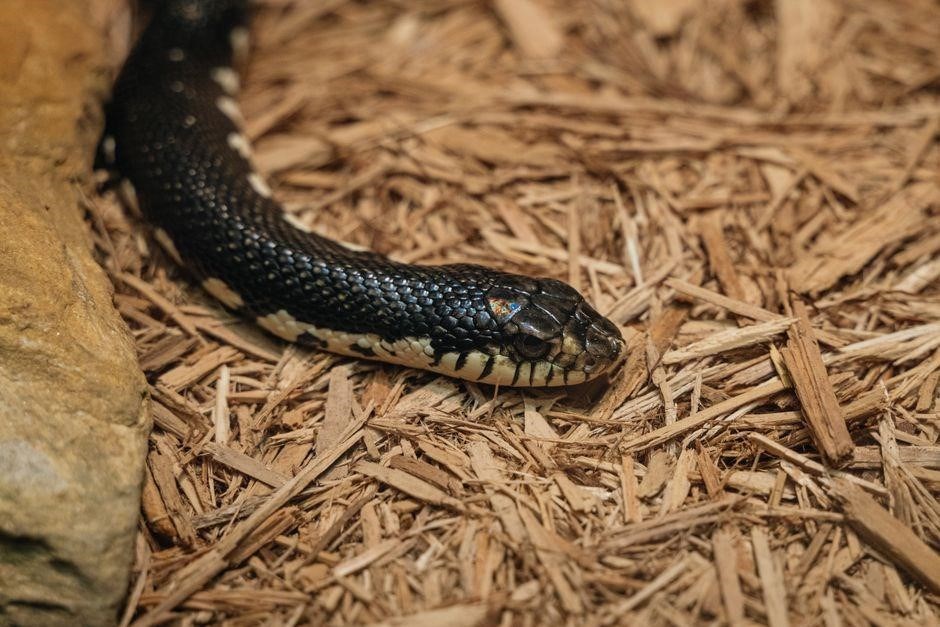
Substrate and Hiding Spots
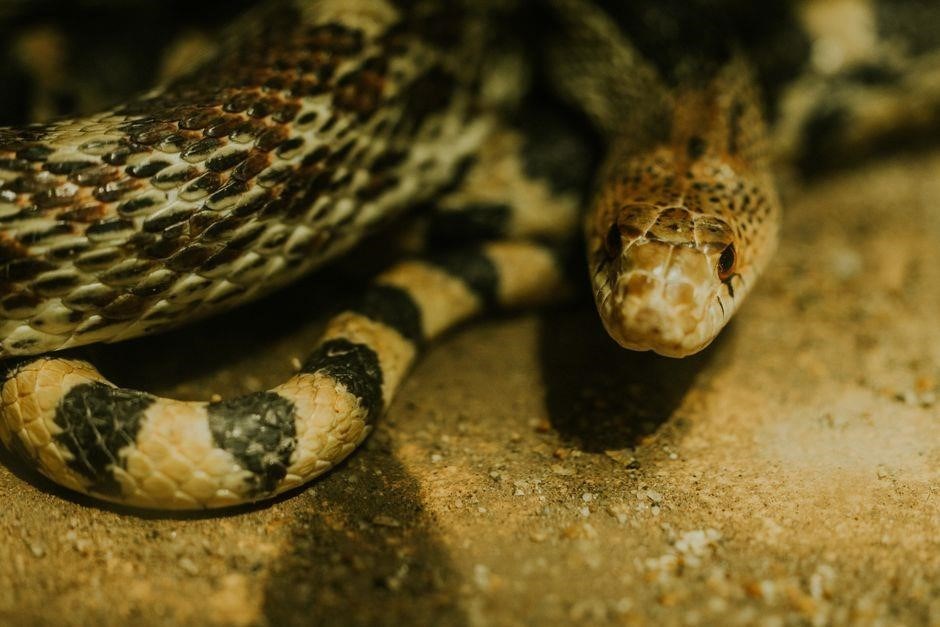
Use a 2‑in thick layer of coconut coir or paper towels for easy shedding․ Add a shallow water dish and a heat‑resistant hiding box․ Place branches for climbing․ Keep substrate dry, replace every 2–3 weeks, and ensure a secure lid․ Add a heat‑resistant rock for basking․ Great․!
Safe Materials and Nesting Areas
Hognose snakes require a nesting area that balances natural behavior with safety and hygiene․ The first step is selecting non‑toxic, untreated wood or cork for the nest box; avoid treated lumber, plastic, or any material that could leach harmful chemicals into the enclosure․ The box should be shallow, with a depth of about 2 in, and lined with a 2‑in layer of coconut coir or paper towels, which allows the snake to burrow and shed without irritation․ A damp paper towel should be added to maintain moisture, but it must be replaced frequently to prevent mold growth․ Position the nesting area on the cooler side of the enclosure, as hognose snakes naturally seek cooler spots for resting and thermoregulation․ Include a few loose branches or sticks for climbing; these should be smooth, free of splinters, and treated with a reptile‑safe sealant to avoid ingestion of toxic substances․ The nesting box should be secure, with a lid that prevents escape but allows airflow․ Inspect the nesting materials every 2–3 weeks, replacing them entirely to maintain cleanliness and prevent bacterial buildup․ Additionally, provide a shallow water dish near the nest to allow the snake to hydrate without flooding the area․ The substrate should be easy to clean; coconut coir can be washed and reused, while paper towels should be discarded after each change․ By combining natural, non‑toxic materials with a well‑designed nesting area, you create a stress‑free environment that supports healthy shedding, thermoregulation, and overall well‑being for your hognose snake․ Remember to keep the enclosure free of sharp edges, and ensure that all hiding spots are stable and secure to prevent injury․ Over time, observe the snake’s use of the nest; if it consistently avoids the area, consider adjusting the temperature gradient or adding more natural cover to encourage use․ Proper nesting practices not only improve the snake’s comfort but also reduce the risk of disease transmission, making it an essential component of responsible hognose snake care․ Finally, maintain a clean environment by wiping the enclosure walls with a reptile‑safe disinfectant after each cleaning cycle, ensuring that all surfaces remain free of contaminants that could harm your snake․ This approach ensures optimal health, longevity, for your pet!!!
Feeding Schedule and Diet
Feed juveniles 1–2 mice weekly, adults 1–2 every 10–14 days․ Offer pre‑shredded, thawed rodents․ Avoid overfeeding; monitor weight․ Provide fresh water daily․ Use a feeding station to keep enclosure clean․ Rotate prey species for balanced nutrition․ Keep prey appropriate to avoid injury ensure digestion․!!
Rodent Selection and Frequency
Hognose snakes thrive on small rodents that mimic natural prey․ Juveniles need 1–2-week-old mice or rats, weighing ≤30 g, to avoid injury․ Adults can handle larger prey, but keep size ≤40–50 g to prevent overfeeding․ Freshly thawed, pre‑shredded rodents are preferred for safety․ Feed 1–2 meals weekly for juveniles; mature snakes get 1 meal every 10–14 days․ Monitor body condition by gently feeling the belly; a slight dip in the mid‑abdomen indicates a healthy weight․ Avoid overfeeding; excess fat can lead to metabolic issues․ Select disease‑free rodents from reputable suppliers․ Offer a variety of prey such as mice, rats, guinea pig or rabbit to enrich diet and stimulate hunting behaviors․ Provide a clean, shallow water dish for drinking before and after meals․ By matching prey size to snake size and feeding on a regular schedule, you support optimal health, growth, and overall well‑being of your hognose snake․ Regular vet check‑ups and parasite screenings maintain long‑term vitality, ensuring your snake remains healthy, active, and a rewarding addition to any reptile collection․ While the core diet remains small rodents, seasoned keepers sometimes supplement with occasional mealworms or crickets to provide variety and essential nutrients, especially during breeding seasons when the snake’s appetite may increase; these additions should be given sparingly, never exceeding 10% of the total weekly feed, to avoid digestive upset and maintain a balanced intake․ Some keepers add a pool to encourage swimming, aiding muscle growth and reducing stress during heat
Water Provision and Hygiene
Provide a shallow, clean water dish that is changed daily․ Use a non‑reactive bowl and ensure the water is at room temperature․ Clean the dish with mild soap, rinse, and dry before refilling․ Regular cleaning prevents bacterial growth and keeps your hognose healthy․ Keep water more than 2 in to prevent drowning․
Freshwater Bowls and Cleaning Practices
Choosing the right bowl is the first step toward a healthy hydration routine for your hognose snake․ A shallow, wide dish—ideally 4–6 in․ deep and 8–10 in․ wide—provides ample surface area while preventing the snake from submerging entirely․ Use a non‑reactive material such as stainless steel, ceramic, or BPA‑free plastic․ Avoid porous ceramics that can harbor bacteria․
Daily cleaning is essential․ Remove the bowl, rinse with warm water, and scrub with a soft brush or sponge․ Do not use soap or detergent; a simple rinse with distilled water is sufficient․ After rinsing, dry the bowl with a lint‑free cloth or let it air dry before refilling․ Refill with fresh, room‑temperature water each day․ Replace the water at least once a week if the bowl is left unused․ This keeps water clean daily!
For larger enclosures, a secondary water source—such as a shallow basin—can be placed on the opposite side of the terrarium to encourage the snake to drink more frequently and reduce the chance of water stagnation․ Keep the water source at least 2 in․ away from the heat source to avoid temperature fluctuations․
Proper water hygiene prevents fungal and bacterial growth․ Inspect the bowl daily for slime or residue and replace it if buildup occurs․ Use a shallow, wide container to reduce evaporation and keep a stable temperature․ Adding a small stone or pebble provides a natural resting spot․ Let tap water sit overnight or use a dechlorinator to remove chlorine․ Clean the enclosure walls regularly to avoid biofilm buildup․ Keep the bowl clean with a sponge after refill․