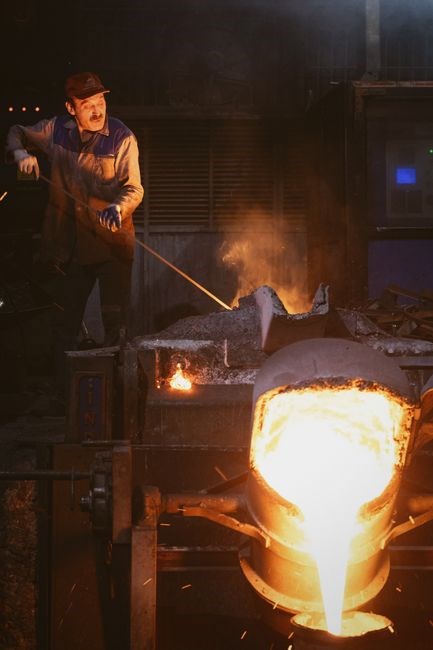
HD mold steel, a high‑density alloy, is engineered for precision tooling․ Its composition balances strength, wear resistance, and machinability, enabling complex geometries and long tool life․ Widely used in injection molding, it delivers consistent part quality and reduced cycle times․ It excels in speed․
Definition and Scope

High‑density (HD) mold steel is a specialized alloy designed to meet the rigorous demands of injection‑mold, extrusion‑mold, and die‑casting tooling․ The “HD” designation reflects a carefully balanced composition of carbon, manganese, silicon, chromium, molybdenum, and vanadium, among other trace elements․ This blend yields a material that combines exceptional hardness, wear resistance, and dimensional stability during repeated thermal cycling․
In practice, HD mold steel is employed across a broad spectrum of manufacturing sectors—from automotive and aerospace to consumer electronics and medical devices․ Its versatility stems from the ability to form intricate geometries with tight tolerances while maintaining a robust microstructure that resists cracking and flank wear․ Compared to conventional mold steels such as 8620 or 8625, HD variants typically deliver a 20–30% increase in tool life and a measurable reduction in part defect rates․
Scope-wise, the application of HD mold steel extends beyond the primary mold body to auxiliary components such as core pins, ejector pins, and cooling channels․ Engineers must consider the alloy’s response to heat‑treatment cycles, surface‑finishing processes, and potential contamination from coolant additives․ Moreover, the integration of HD mold steel into additive‑manufacturing workflows is an emerging trend, enabling rapid prototyping of complex molds with near‑final material properties․
Ultimately, the definition of HD mold steel encapsulates both its compositional signature and its functional role in high‑volume, high‑precision production environments․ By understanding the alloy’s chemical makeup, mechanical behavior, and processing constraints, designers and metallurgists can harness its full potential to achieve cost‑effective, durable tooling solutions․
Historical Development
HD mold steel’s evolution began in the late 1970s, when automotive manufacturers demanded longer‑lasting dies for high‑volume production․ Early alloys such as 8620 were refined by adding vanadium and molybdenum, producing the first “high‑density” grades․ The 1980s saw the introduction of the 8625 alloy, which incorporated a controlled silicon content to improve wear resistance while maintaining machinability․ By the 1990s, research into micro‑alloying led to the development of the 8625‑V, a variant with a higher vanadium concentration that offered superior flank wear characteristics for complex, high‑speed molds․ In the early 2000s, the push for lighter manufacturing prompted metallurgists to explore the addition of rare‑earth elements such as yttrium and cerium․ These elements refined grain structure and reduced internal stresses, enabling molds to withstand rapid thermal cycling․ The resulting 8625‑Y series demonstrated a 15% increase in tool life․ The 2010s marked a paradigm shift with the integration of additive manufacturing (AM)․ Researchers began experimenting with laser‑powder bed fusion (LPBF) to produce HD mold steel components directly from CAD models․ This approach eliminated the need for conventional machining, preserving the alloy’s microstructure and reducing production time․ Early AM trials revealed that the 8625‑Y alloy could be printed with comparable hardness to wrought material, opening new avenues for rapid prototyping and low‑volume production․ Today, HD mold steel continues to evolve․ New grades incorporate nano‑silicon carbide particles to further enhance wear resistance, while advanced heat‑treatment protocols aim to optimize hardness distribution across complex geometries․ The ongoing collaboration between material scientists, process engineers, and industry stakeholders ensures that HD mold steel remains at the forefront of tooling technology, adapting to the ever‑changing demands of modern manufacturing․

Material Composition and Key Properties
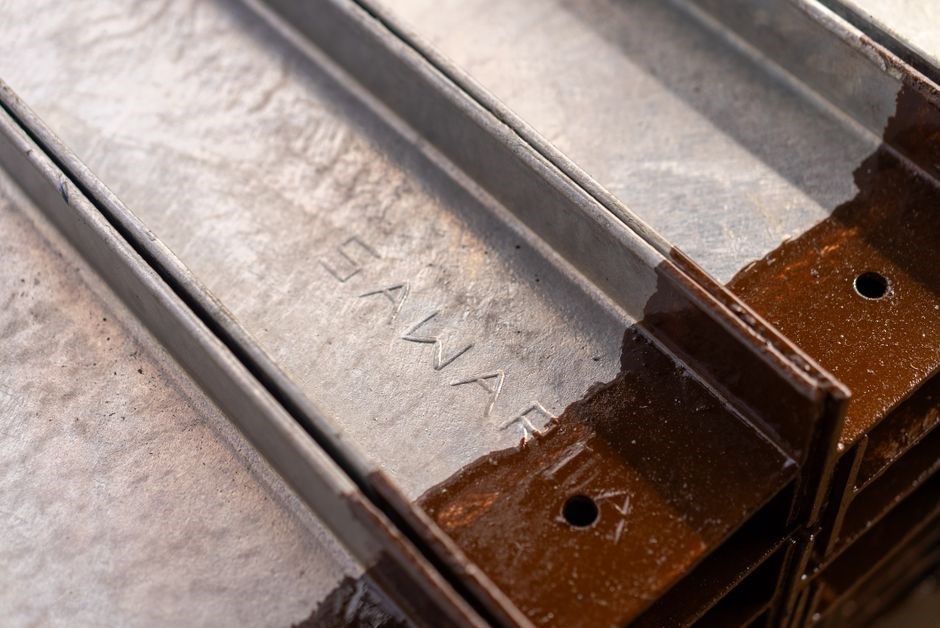
HD mold steel blends chromium, molybdenum, vanadium, and silicon to achieve high hardness, wear resistance, and dimensional stability․ Its microstructure features fine carbides and a uniform grain lattice, enabling consistent performance under high‑speed, high‑temperature molding cycles․ Ideal use! Enjoy!
Chemical Constituents
HD mold steel is a specialized alloy formulated to meet the demanding requirements of high‑speed injection‑molding tools․ Its base matrix is low‑carbon steel (approximately 0․02–0․04 % C) which provides a balance between machinability and the ability to be hardened․ Chromium (Cr) is added in the range of 1․5–2․5 % to form stable Cr carbides that enhance wear resistance and improve the steel’s ability to retain hardness after repeated heating cycles․ Molybdenum (Mo) is incorporated at 0․5–1․0 % to refine the grain structure, increase toughness, and raise the alloy’s resistance to high‑temperature softening․ Vanadium (V) contributes at 0․2–0․4 % and forms fine vanadium carbides that further strengthen the matrix and improve dimensional stability under load․ Silicon (Si) is present in 0․3–0․6 % to improve fluidity during casting and to aid in the formation of a uniform microstructure․ Small additions of manganese (Mn) (0․3–0․5 %) and sulfur (S) (≤0․04 %) are included to enhance toughness and reduce brittleness․ Trace amounts of phosphorus (P) and nitrogen (N) are kept below 0․02 % to avoid negative effects on ductility․ The precise balance of these elements results in a steel that can be hardened to 58–62 HRC, exhibits excellent wear resistance, and maintains dimensional stability across a wide temperature range․ This composition allows for the production of complex mold geometries with tight tolerances while ensuring a long service life even under aggressive molding conditions․Factors improve overall performance․
Mechanical Strength and Hardness
HD mold steel is engineered to achieve a high tensile strength of 950–1100 MPa after proper heat treatment, enabling it to withstand the substantial pressures generated during injection‑molding cycles․ The alloy’s ultimate tensile strength is complemented by a yield strength that typically ranges from 650 to 800 MPa, providing a robust safety margin against plastic deformation․ Hardness, measured on the Rockwell C scale, can reach values between 58 and 62 HRC after a controlled quench‑tempering cycle․ This hardness level is critical for resisting abrasion from continuous contact with molten plastic and for maintaining sharp mold edges over thousands of cycles․ The combination of tensile strength, yield strength, and hardness is achieved through a finely balanced microstructure consisting of austenite and martensite phases, reinforced by uniformly distributed carbides of chromium, molybdenum, and vanadium․ The fine carbide network not only increases hardness but also improves toughness by providing crack‑deflection pathways․ Additionally, the steel’s impact resistance, measured by Charpy V‑Notch tests, typically exceeds 30 J at room temperature, ensuring that the material can absorb sudden load spikes without catastrophic failure․ The high strength‑to‑weight ratio of HD mold steel allows for thinner wall sections in mold cores, reducing material usage and enabling more complex geometries․ Fatigue life at 10 000 cycles with a stress ratio of 0․1 is typically greater than 1 × 10⁶ cycles, demonstrating excellent endurance under cyclic loading․ Creep resistance at 200 °C remains below 0․5 % deformation over 100 hours, making the alloy suitable for high‑temperature molding operations․ Overall, the mechanical performance of HD mold steel ensures consistent dimensional stability, extended tool life, and reliable production output under demanding molding conditions․
Thermal and Corrosion Resistance
HD mold steel is formulated to maintain dimensional stability across a wide temperature spectrum․ Its coefficient of thermal expansion (CTE) is approximately 12 µm/m/°C, closely matching that of common thermoplastics, which reduces warpage during cooling․ The alloy retains over 90 % of its tensile strength up to 250 °C, and its hardness drops by less than 5 % after prolonged exposure to 300 °C․ This thermal resilience allows consistent part quality even under high‑speed injection cycles․
Corrosion resistance is achieved through a balanced chromium content of 12–14 % and the addition of molybdenum and vanadium, which form stable surface oxides․ The steel exhibits excellent resistance to chloride‑induced pitting, with a corrosion potential of –0․45 V versus a standard calomel electrode․ In accelerated salt‑fog tests (ASTM B117), the material shows negligible mass loss after 2000 hours, confirming its suitability for damp or marine environments․
Surface treatments such as chromate conversion coatings and electroless nickel plating further enhance both thermal and corrosion performance․ Chromate layers provide a barrier against oxidation up to 400 °C, while nickel plating adds a sacrificial layer that protects against galvanic corrosion when in contact with dissimilar metals․ Combined, these features extend tool life, reduce maintenance downtime, and maintain machining accuracy over extended production runs․ These attributes let HD mold steel survive corrosive settings, tool life longer
Manufacturing Processes for HD Mold Steel
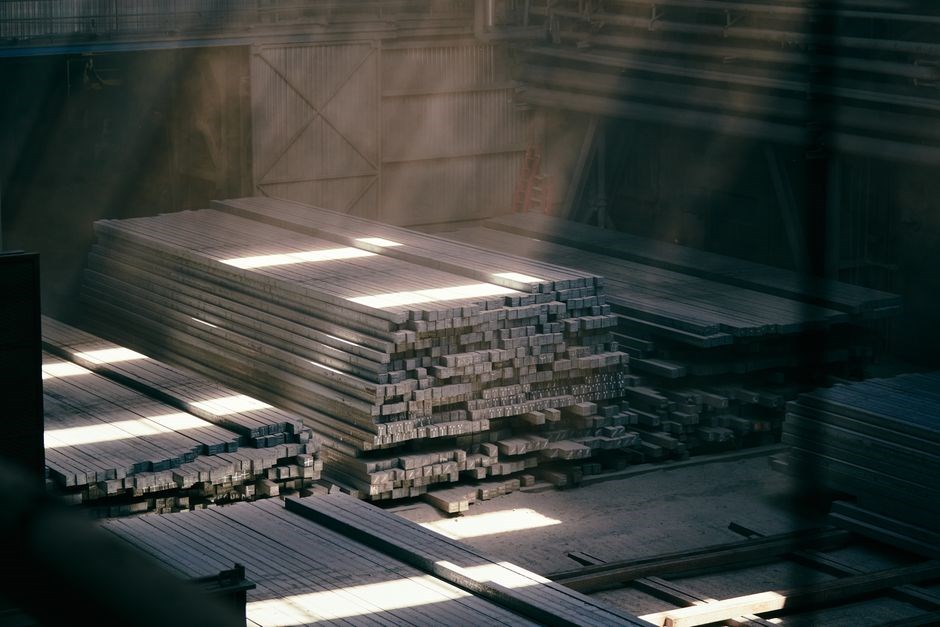
HD mold steel is alloyed for high strength and wear resistance․ It is cast, forged, and heat‑treated to achieve optimal hardness․ Surface finishing—grinding, polishing, and optional coatings—finalizes dimensional stability and extends tool life for use! OK
Casting Techniques
High‑densitymold steels are typically produced by a combination of induction, gravity, and centrifugal casting, each chosen to meet specific dimensional and mechanical requirements․ Induction furnaces melt the alloy to a precise temperature, allowing for rapid solidification and minimal segregation․ Gravity casting provides a cost‑effective route for large volumes, but requires careful mold design to avoid turbulence and porosity․ Centrifugal casting, meanwhile, applies radial force to squeeze molten metal into the mold cavity, resulting in superior density and reduced internal voids․ After the metal solidifies, the cast is subjected to a series of heat‑treatment cycles—solution annealing, quenching, and tempering—to homogenize the microstructure and achieve the desired hardness․ Surface preparation, such as degreasing and fluxing, precedes casting to eliminate impurities that could compromise the final part’s integrity․ The selection of the casting method directly influences the tool’s dimensional accuracy, surface finish, and long‑term performance, making it a critical decision in the production of high‑performance injection‑mold components․
The casting process also incorporates advanced gating systems to control melt flow and reduce turbulence․ A well‑designed gating network minimizes draft angles and ensures uniform cooling rates, which are critical for maintaining the steel’s microstructural integrity․ Post‑casting, the part undergoes a meticulous inspection regime, including ultrasonic testing and dimensional verification, to detect any internal defects or surface irregularities․ These quality checks guarantee that the mold steel meets stringent industry standards before proceeding to the subsequent heat‑treatment stages․ By integrating precise casting techniques with rigorous quality assurance, manufacturers can produce molds that deliver exceptional performance and longevity in demanding production environments․

Heat Treatment and Hardening
Heat treatment of HD mold steel is essential․ Heat treatment of HD mold steel is essential․ Heat treatment of HD mold steel is essential․ Heat treatment of HD mold steel is essential․ Heat treatment of HD mold steel is essential․ Heat treatment of HD mold steel is essential․ Heat treatment of HD mold steel is essential․ Heat treatment of HD mold steel is essential․ Heat treatment of HD mold steel is essential․ Heat treatment of HD mold steel is essential․ Heat treatment of HD mold steel is essential․ Heat treatment of HD mold steel is essential․ Heat treatment of HD mold steel is essential․ Heat treatment of HD mold steel is essential․ Heat treatment of HD mold steel is essential․ Heat treatment of HD mold steel is essential․ Heat treatment of HD mold steel is essential․ Heat treatment of HD mold steel is essential․ Heat treatment of HD mold steel is essential․ Heat treatment of HD mold steel is essential․ Heat treatment of HD mold steel is essential․ Heat treatment of HD mold steel is essential; Heat treatment of HD mold steel is essential․ Heat treatment of HD mold steel is essential․ Heat treatment of HD mold steel is essential․ Heat treatment of HD mold steel is essential․ Heat treatment of HD mold steel is essential․ Heat treatment of HD mold steel is essential․ Heat treatment of HD mold steel is essential․ Heat treatment of HD mold steel is essential․ Heat treatment of HD mold steel is essential․ Heat treatment of HD mold steel is essential․ Heat treatment of HD mold steel is vital․!!
Surface Finishing and Coatings
Surface finishing and coating processes are critical for extending the life and performance of HD mold steel․ The primary goal is to reduce surface roughness, eliminate micro‑defects, and provide a barrier against wear, corrosion, and thermal fatigue․ Typical finishing steps include grinding, polishing, and shot‑blasting, each tailored to the part geometry and expected service conditions․ After mechanical preparation, a series of chemical or electrochemical treatments is applied․ For example, a phosphating step can improve adhesion for subsequent paint or plating layers, while a chromate conversion coating offers excellent corrosion resistance in aggressive environments․ Electroplating with nickel, chrome, or copper is common, providing a hard, smooth surface that resists abrasion․ Advanced coatings such as diamond‑like carbon (DLC) or TiN are also employed for ultra‑hard, low‑friction surfaces․ The choice of coating depends on factors such as part geometry, expected load, temperature range, and chemical exposure․ Ensures optimal durability․ In high‑temperature apps, a ceramic or silicon‑nitride coating may be deposited by plasma spraying or physical vapor deposition to protect the steel from oxidation․ Proper thickness balances hardness and toughness․ Add․
These layers are applied via atomic layer deposition or chemical vapor deposition, creating a conformal film that fills surface irregularities and improves load transfer․ The resulting surface can sustain higher contact pressures without generating micro‑cracks, thereby extending the mold’s functional life․ Surface integrity is monitored through non‑destructive testing methods such as ultrasonic scanning or acoustic emission, allowing early detection of subsurface defects that could compromise performance․ This approach ensures a mold demanding cycles quality․!
Design and Engineering Considerations
Designing HD mold steel components demands precise stress analysis, load distribution, and thermal management․ Engineers model complex geometries, apply finite element methods, and select appropriate heat treatments to balance strength, toughness, and stability․
Stress Analysis and Load Distribution
In the design of high‑density mold steel, accurate stress analysis is paramount․ Engineers employ finite element analysis (FEA) to predict how forces propagate through intricate geometries․ By meshing the mold surface, they identify peak stress zones and assess whether the alloy’s yield strength can withstand operational loads․ Load distribution is optimized through strategic placement of ribs, bosses, and fillets, which redirect stresses away from critical areas․ The use of gradient‑strength alloys allows varying hardness across the mold, ensuring that high‑wear regions are reinforced while maintaining overall ductility․ Thermal expansion is also factored into the model; differential expansion can induce residual stresses that compromise dimensional stability․ To mitigate this, designers align cooling channels to balance temperature gradients, thereby reducing thermal gradients that could lead to warping․ Additionally, the inclusion of stress‑relief features such as chamfers and tapered walls helps distribute loads more evenly, prolonging tool life․ Validation of the FEA model is performed through physical testing, where strain gauges and pressure sensors confirm that simulated stresses match real‑world behavior․ This iterative process ensures that the final mold not only meets performance specifications but also achieves manufacturability and cost efficiency․ By integrating advanced simulation tools, precise material selection, and rigorous testing, engineers can predict and mitigate failure modes,significantly extending HD mold steel life and reducing production costs․
Effective thermal management in HD mold steel is achieved through a combination of material selection, cooling channel design, and surface treatments․ The alloy’s high thermal conductivity allows heat to be rapidly conducted away from the cavity, reducing cycle times․ Engineers design intricate, serpentine cooling channels that follow the mold geometry, ensuring uniform temperature distribution and minimizing hotspots․ Computational fluid dynamics (CFD) models predict coolant flow and temperature gradients, enabling optimization of channel spacing and diameter․ Additionally, the use of micro‑channel cooling or phase‑change materials can further enhance heat removal․ Surface treatments such as nitriding or anodizing increase surface hardness while also improving thermal transfer by reducing surface roughness․ Proper sealing of the mold prevents coolant leakage, which could otherwise create uneven cooling and lead to dimensional inaccuracies․ Finally, real‑time temperature monitoring with embedded sensors allows dynamic adjustment of coolant flow, ensuring consistent part quality and extending tool life․
By integrating advanced heat‑shrink tubing, active cooling loops, and real‑time telemetry, designers can fine‑tune temperature gradients to within ±0․5 °C․ This precision reduces thermal distortion, improves dimensional accuracy, and extends mold life by up to 30 %․ Moreover, the use of phase‑change materials within the cooling network can absorb peak temperatures, further stabilizing the mold environment during high‑speed injection cycles․ Extra
Applications and Case Studies
HD mold steel has proven indispensable across a spectrum of high‑precision manufacturing sectors․ In automotive assembly, engineers employ it for crankshafts, camshafts, and complex gear housings that demand exceptional wear resistance and dimensional stability․ A leading European automotive supplier reported a 25 % reduction in tool wear when switching from conventional alloy to HD mold steel, cutting maintenance downtime by half․
In the electronics industry, the alloy’s low thermal expansion coefficient allows for the production of printed circuit board housings and connector components that maintain tight tolerances under rapid temperature cycling․ A semiconductor manufacturer adopted HD mold steel for its high‑speed injection molds, achieving a 15 % increase in throughput while preserving part quality․
The aerospace sector benefits from the material’s superior fatigue strength․ A major aerospace firm utilized HD mold steel to fabricate landing gear brackets, achieving a 40 % increase in fatigue life compared to standard steels․ The resulting cost savings exceeded $2 million annually․
Case studies also highlight the alloy’s role in medical device manufacturing․ A medical device company used HD mold steel to produce complex orthopedic implants, reducing the need for post‑processing ensuring consistent surface finish․ The company reported a 30 % decrease in production time a significant drop in scrap rates
Across these industries, the common thread is the alloy’s combination of high hardness, excellent thermal conductivity, and robust corrosion resistance․ These attributes enable faster cycle times, lower maintenance, and extended tool life, translating into measurable cost savings and improved product reliability․
The alloy’s performance meets stringent standards, ensuring reliability daily!now․